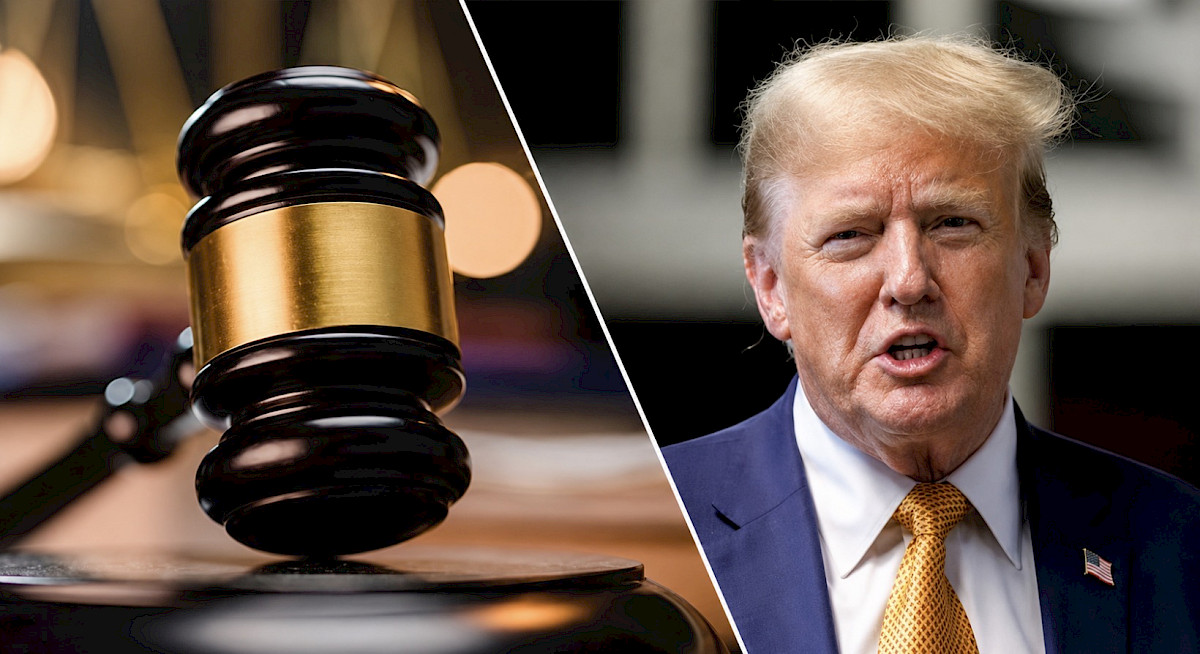
A federal judge has blocked the Trump administration’s effort to build a centralized voter-screening database, saying it unlawfully pulled together Americans’ private information. The ruling targets a system tied to efforts to check voter rolls for noncitizens, but the court said the government went too far. In plain English, the judge found the administration crossed the line by combining sensitive personal data in a way the law does not allow.
*
The judge said the database “trampled” on privacy rights and threatened the sacred right to vote. Critics of the plan say that kind of broad data collection can create mistakes, and those mistakes can lead to eligible voters being wrongly flagged or even removed from the rolls. Supporters of stronger voter verification say the goal was to protect election integrity, but the court clearly was not convinced by the government’s approach.
*
The ruling is another setback for the Trump administration in its push to tighten voter screening nationwide. The Justice Department argued that the database was needed to help states identify noncitizens, while opponents said the federal government had no business compiling and repurposing Americans’ personal records this way. The fight now highlights a bigger issue many voters care about: how to secure elections without exposing private information.
*
For everyday Americans, this is about more than politics. It is about whether the government can gather and combine sensitive data without a strong legal reason, and whether that puts ordinary citizens at risk. The case also shows how quickly election disputes can turn into privacy battles, with both sides warning of serious consequences if the courts go the wrong way.
*
Sources: Facebook Florida Hillbilly | Washington Times | ABC News | CBS News | USA TODAY