
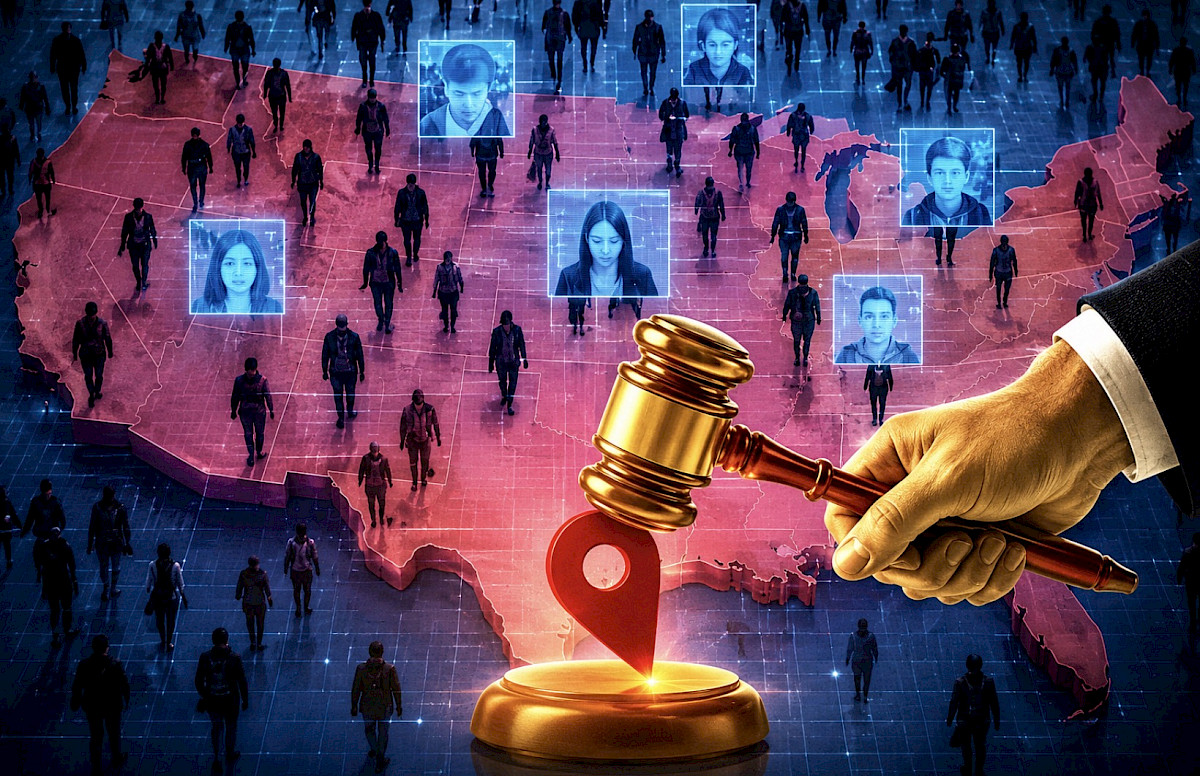
The U.S. Supreme Court just made a big decision about your privacy and your phone. A “geofence warrant” is when police ask a tech company, like Google, to give them data showing which phones were in a certain area at a certain time. In simple terms, it lets police draw a digital circle around a place—like a crime scene—and see who was nearby, even if those people are not suspects. The Court said this kind of search counts as a real “search” under the Constitution, which means it must follow strict rules.
The case, called Chatrie v. United States, started after a bank robbery. Police told Google to look through the location data of many users to find anyone who was near the bank. That search led them to arrest a man named Okello Chatrie. But his lawyers argued this went too far, saying it was like searching millions of people first and figuring out who might be guilty later.
Justice Elena Kagan wrote the main opinion, saying Americans have a right to privacy when it comes to their phone location data. The Court said even though the data is held by a company, it still belongs to the person. Chief Justice John Roberts and several other justices agreed, forming the majority.
Justice Neil Gorsuch also agreed with the outcome but gave a different reason. He said your location data should be treated like personal property—just like your belongings—meaning the government should not be able to grab it without proper cause. His view lines up with a strong reading of the Constitution’s original meaning.
Not everyone on the Court agreed. Justice Samuel Alito warned the ruling could shake up how police do their jobs and make it harder to solve crimes. Still, supporters of the decision say it protects everyday Americans from government overreach and keeps the Fourth Amendment strong in the digital age.
For many conservatives and civil liberty supporters alike, this is a rare moment of agreement: the government should not be able to track law-abiding citizens without clear limits. In a world where phones go everywhere with us, this ruling sends a clear message—your movements are not free for the government to scoop up without proper legal steps.
Sources: Facebook Florida Hillbilly | Reason | U.S. Supreme Court