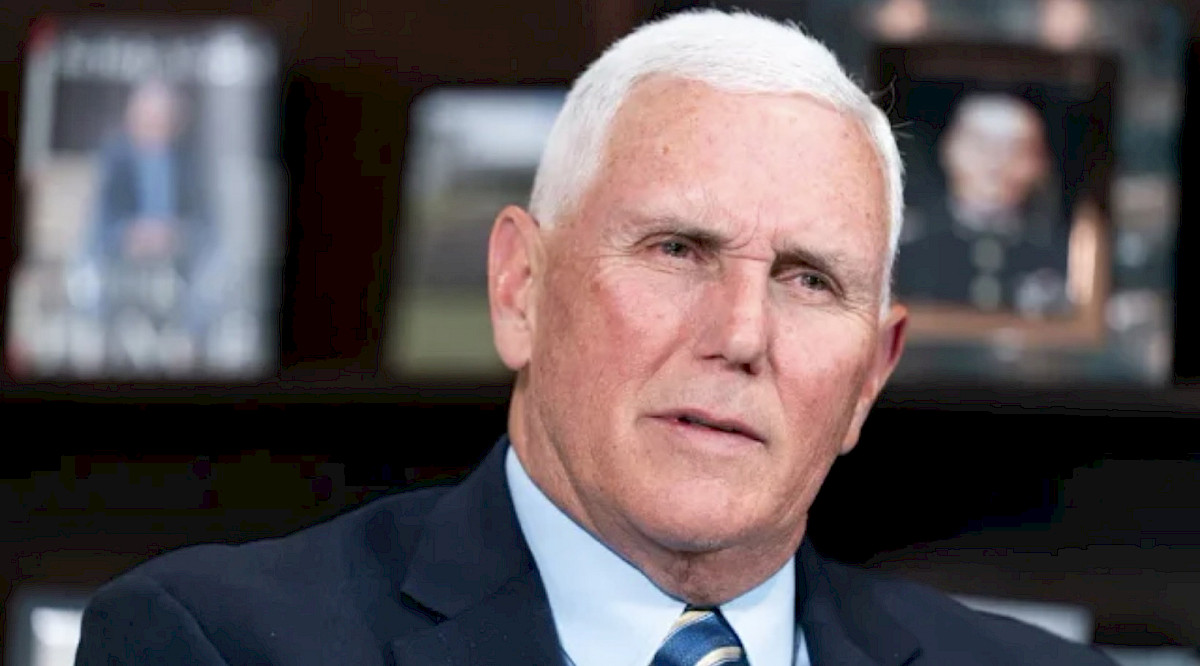
Former Vice President Mike Pence is sharply criticizing President Donald Trump's tentative Iran agreement, calling it "a plan to make a plan" and warning that it falls far short of what America needs to truly defeat the Iranian threat. In an op-ed published in The Wall Street Journal, Pence praised Trump for acting decisively against Iran by launching a military campaign that degraded Tehran's capabilities. He said all Americans should welcome peace because nobody wants another prolonged war in the Middle East, despite accusations from isolationists on the populist right.
But Pence argues that the memorandum of understanding signed last week between the U.S. and Iran does not capitalize on Iran's weakened military state after the conflict. He wrote that the deal smacks of the kind of appeasement Trump rightly rejected during his first term. In his view, this is not the deal a defeated Iran should be getting. It is not even a deal at all—it is just a plan to make a plan. That criticism cuts deep because it suggests Trump is not delivering the victory he promised and is instead setting up more negotiations without clear results.
The 14-point memorandum of understanding leaves Iran's nuclear program intact and does not require Tehran to dismantle its uranium enrichment capabilities. That is most troubling to Pence, who said the deal leaves Iran's ballistic missile capacity untouched and fails to stop Iranian support for terrorist organizations. Those are equally concerning because they mean the core dangers from Iran remain in place even as the U.S. gives up significant leverage. The agreement postpones answers on critical nuclear questions while providing immediate economic benefits to Iran through partial sanctions relief and renewed energy exports.
Pence calculated that Iran will generate an estimated $5 billion a month for what remains of the Iranian regime from these economic benefits. That gets the sequence backward, he argued, because the U.S. should not provide economic relief first and seek security concessions later. The right approach is to secure the concessions first before giving Iran any money or access to global markets. Trump's military offensive made it possible for Iran to agree to American demands over its nuclear program, missile capacity, and terror support, so the U.S. should use that power to lock in real requirements before releasing any sanctions.
Pence called for freedom of navigation to be fully restored in the Strait of Hormuz, the critical oil shipping route that Iran has threatened to close. He said the U.S. should make it clear that if Iran does not reopen the strait, Trump should face the full force of the American military. The 60-day period in the agreement should be used to secure what this deal does not yet provide: an end to Iran's nuclear ambitions, an end to Iranian-backed terror, and an end to its half-century of warfare against the U.S. and Israel. If those reasonable goals cannot be achieved within that timeframe, Pence said Trump should let the armed forces finish the job.
Pence has previously said Trump deserves some latitude on reaching a deal with Iran to reopen the strait and give both countries 60 days to finalize the agreement. But he told The Hill last Tuesday that he still has very real concerns about the deal's structure and long-term consequences. He was also doubtful about the tentative deal just before it was reached last Sunday, warning it would not deliver the security outcomes the U.S. needs. His new op-ed makes those concerns even more public and could pressure Trump to push harder for a stronger final agreement.
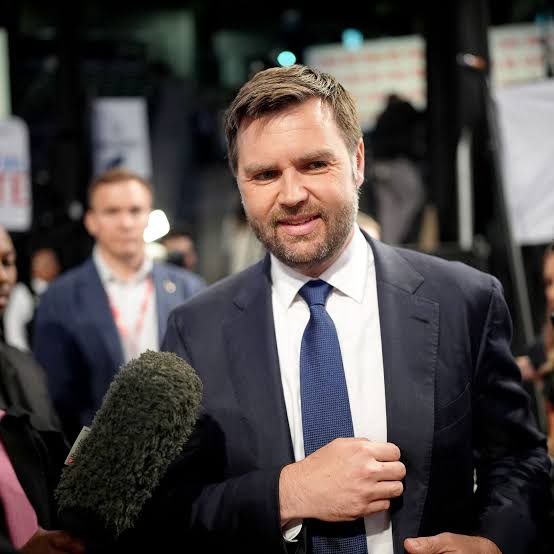
Trump on Sunday warned Iran amid new Israeli strikes in Lebanon that have tested the memorandum and delayed peace talks originally scheduled for Friday led by Vice President JD Vance in Switzerland. The president suggested that the U.S. may take over the strait after Iran indicated that it was again closed off. He told Fox News on Sunday that the U.S. may take over the strait if they have to, and that he will blow the s-out of them. That statement shows Trump is still willing to use military force if the deal does not hold, and it adds to the tension as both sides negotiate.
The comments from Pence add more pressure on the White House as Trump faces growing debate inside the Republican Party over how hard to push Iran. Some Republicans are relieved that gas prices have fallen and are glad the war is ending, while others worry the deal gives Iran too much money and too much leverage. Pence's criticism could influence that debate, especially because he was Trump's vice president and understands the administration's goals. His op-ed shows that even former Trump insiders are not convinced this deal delivers the victory Trump promised.
This is one of the biggest political stories of June 21, 2026, because it shows Trump facing criticism from his own party while trying to secure a final deal with Iran. The outcome of the negotiations in Switzerland led by Vance could determine whether the U.S. and Iran reach a final agreement, keep the Strait of Hormuz open, or face continued regional conflict that impacts election-year politics. Democrats say Trump started an economically painful war that resulted in nothing positive, while Republicans are divided even as some feel relief at falling gas prices. Pence's op-ed makes it clear that the debate over this deal is not ending, and Trump will have to push harder if he wants to avoid being seen as weak on Iran.
Sources: Facebook Florida Hillbilly | The Hill | The Wall Street Journal